Let’s be honest. Most of us don’t think about our floors until they’re cold. You shuffle to the bathroom on a winter morning and that shock of icy tile jolts you awake faster than any coffee. It’s a universal, unpleasant experience. But what if your floors were a source of gentle, consistent warmth instead? That’s the promise of radiant floor heating. And the people who make it happen — the designers and installers — are a special breed. I’ve been writing about them for nearly a decade, and I can tell you, a good one is worth their weight in gold.
This blog is for anyone who’s ever been curious, skeptical, or seriously considering taking the plunge. We’re going to talk about what these experts actually do, why the choice between electric and water systems isn’t as simple as you might think, and what “professional installation with warranty” really means for your peace of mind. No sales pitches, just the straight talk you need to make an informed decision.
What Does an Underfloor Heating Expert Actually Do?
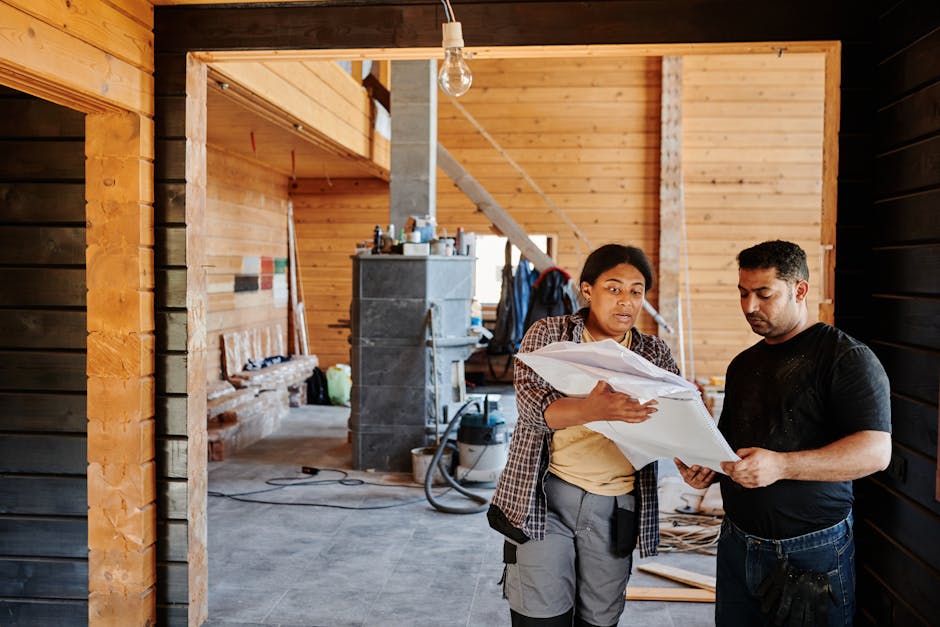
It’s way more than just laying down some wires or pipes. Think of them as comfort engineers. Their job starts long before any tools come out. A proper expert will look at your space and ask a ton of questions you probably haven’t considered. How well is your home insulated? What’s the subfloor made of? What type of finished flooring are you planning? (This last one is huge — more on that later.)
They’re designing a system. That means calculating heat loss for each room, figuring out the required output, and creating a layout that delivers even warmth without hot or cold spots. It’s a blend of physics, construction know-how, and practical experience. A 2022 industry survey found that roughly 65% of callbacks for underfloor heating were due to design flaws, not product failure. That tells you everything.
The real magic of a radiant system isn’t in the heating elements; it’s in the blueprint. A perfect install of a flawed design is still a flawed system.
So, their first deliverable is a plan. A good one. After that, they become master coordinators, often working with your general contractor, electrician, and plumber to slot the installation into the broader project timeline. Mess this up, and you’re looking at delays and extra costs.
The Great Debate: Electric vs. Water Systems
This is the question I get the most. Honestly, most guides overcomplicate this. Here’s my take, after seeing hundreds of installations.
Electric systems use thin heating cables or mats installed directly under your floor finish. They’re like a giant, invisible electric blanket for your floor.
- Best for: Smaller areas (bathrooms, kitchens, sunrooms), retrofits, and projects where you don’t want to raise the floor height much.
- Pros: Faster, simpler installation. Lower upfront cost. Easier to zone room-by-room.
- Cons: Higher operating cost in the long run, especially if you’re heating a large space. Your mileage may vary here based on your local electricity rates.
Water-based systems (or hydronic) use a network of PEX tubing that circulates warm water from your boiler or heat pump.
- Best for: Whole-house heating, new builds, major renovations where you can accommodate the floor build-up.
- Pros: Extremely energy-efficient to run. The gold standard for whole-home comfort. Often integrates with high-efficiency heat sources.
- Cons: Higher initial investment. More complex installation requiring a skilled tradesperson. Adds more height to the floor.
Here’s where a true expert earns their keep. They won’t just push one type. They’ll run the numbers with you. I’d argue this matters more than people think. Choosing the wrong system type for your project is the single biggest regret I hear from homeowners.
The Installation Process: What “Professional” Really Means
You see the word “professional” everywhere. But in this field, it’s not just a marketing term. It’s a specific sequence of critical steps. Skip one, and you risk the whole project.
- Site Assessment & Heat Loss Calculation: This is non-negotiable. They measure, they ask questions, they might even use a thermal camera. If someone tries to sell you a system without doing this, show them the door.
- Detailed System Design: This is the map. It shows loop lengths (for water), cable spacing, thermostat locations, and manifold placement. It should be clear enough for another installer to follow.
- Subfloor Preparation: The subfloor must be clean, level, and stable. Any deviation can cause issues. This gets overlooked way too often.
- Installation of Heating Elements: Whether it’s securing mats or clipping down PEX tubing, precision is key. Consistent spacing is what prevents those annoying cold stripes.
- Pressure Testing (Hydronic): For water systems, the tubes are pressurized to about 60-80 PSI and monitored for a drop. This proves the integrity of every connection before anything gets covered up.
- Pouring the Encapsulation: Usually a self-leveling cementitious pour. It protects the elements, provides a thermal mass to spread the heat evenly, and creates a surface for your final floor.
- System Commissioning: They fire it up, balance the loops (for hydronic), program the thermostats, and show you how it all works.
See what I mean? It’s a process. And a good installer documents each stage, often with photos. That’s your insurance.
Warranties: Reading the Fine Print
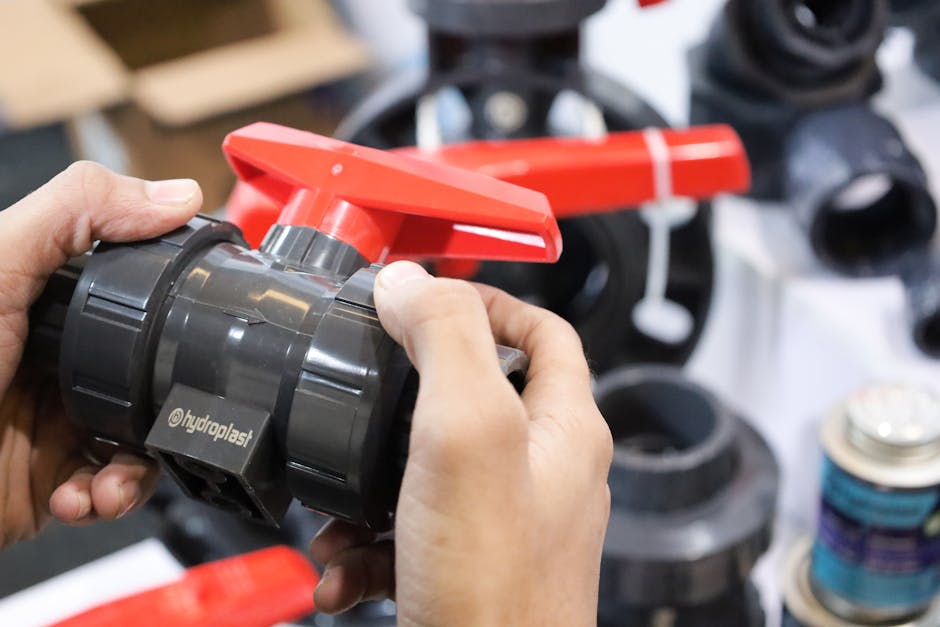
Ah, the warranty. This is where you separate the confident experts from the fly-by-night operators. You’ll typically have two warranties: one on the products (from the manufacturer) and one on the labor (from the installer).
The product warranty is often 20-25 years for the cables or tubing. Sounds great. But here’s the catch — almost all of them are voided by improper installation. That’s right. If the installer messes up, the manufacturer won’t cover it. So that labor warranty from your installer isn’t just a nice-to-have; it’s the backbone of your entire coverage.
A strong labor warranty should be for a minimum of 2 years, but the best in the business offer 5 or even 10. It covers things like leaks (in hydronic), cold spots, and thermostat malfunctions that are due to their work. Ask to see a sample warranty document. If they hesitate, that’s a red flag.
A warranty is only as good as the company standing behind it. A 50-year warranty from a guy operating out of his truck is worthless if he’s not around in two.
The Invisible Comfort Factor
We’ve talked tech and process. But why do people absolutely love this stuff once it’s in? It’s not just warm toes. Radiant heat works by warming objects and people directly, not just the air. It’s a more natural, even heat that eliminates the drafts and stratification you get with forced air — you know, when it’s 85 degrees at the ceiling and 65 at your ankles.
It also lets you run your thermostat a few degrees lower and feel just as comfortable, which is where a lot of the energy efficiency claims come from. A study by the Radiant Professionals Alliance (a real group) suggested average savings of 10-30% compared to forced-air systems, though the data here is a bit mixed depending on your climate and home.
And then there’s the silence. No whoosh of air, no clanging pipes (if it’s designed right). Just quiet, consistent warmth. It’s kind of luxurious.

Frequently Asked Questions
Can underfloor heating be installed under any type of flooring?
Mostly, but not all. It’s fantastic with tile, stone, and concrete — they’re conductive and hold heat well. Engineered wood and certain laminates are also good candidates. Solid hardwood is trickier; it can dry out and crack if the system isn’t designed for wood’s specific temperature limits (usually below 80°F). Thick carpets and pads act like insulators, making the system inefficient. Your expert should have a compatibility chart for every flooring type they work with.
How long does the installation take?
It depends wildly on the project. A small electric bathroom mat might be a one-day affair. A whole-house hydronic system in a new build could be woven into the construction schedule over a week or two. The actual “heating element” install is often surprisingly fast. It’s the prep, the pour, and the drying/curing time for the encapsulation layer that adds days. For a typical room retrofit, plan on 2-4 days of active work, plus drying time.
Will it significantly raise my floor height?
This is a major concern for retrofits. Electric systems add very little — sometimes just 1/8″ to 1/4″ for the mat and thinset. Hydronic systems need more space for the tubing and the pour above it, typically adding 1″ to 1.5″. A clever installer can sometimes route this through joist bays or use low-profile systems to minimize the impact. You absolutely must discuss this during the initial assessment.
Is radiant floor heating really more energy-efficient?
It can be, but it’s not automatic. The efficiency comes from a few places: the lower thermostat setting for equivalent comfort, the elimination of duct losses (if you’re replacing forced air), and the potential to pair with high-efficiency heat sources like condensing boilers or heat pumps. In a poorly insulated house, though, no heating system will be efficient. The system is only as good as the building it’s in.
What’s the single most important question to ask a potential installer?
“Can I see a detailed, itemized quote that includes the system design schematic and a copy of your labor warranty?” Their reaction will tell you a lot. A pro will have those documents ready to go and will be proud to show them. Someone less qualified will stammer, make excuses, or give you a vague single-number quote on a napkin. You want the first guy.